Dressy Fits
Photography
March 6, 2026
ethel cain and weddings...: How the southern gothic Brought Me to Fine Art Photography
One might correlate the name Ethel Cain to southern gothic, estranged carnal themes, and lyrics that make the listener ponder and truly wonder at the human psyche… not joyous days of celebration! So what was it that drew these two things together for me? Every photographer eventually reaches a moment where they must ask themselves a simple question: what am I actually trying to say with my work?
For a long time, I knew what I liked visually, but I hadn’t fully articulated why. I’ve always been drawn to contrast, shadow, texture, and atmosphere. Even when I first started photographing fitness and boudoir work, I found myself chasing moments where the light felt dramatic and the emotion felt honest rather than overly polished.
At some point during that process, I began noticing how much the visual world surrounding Ethel Cain resonated with me. Not just the music itself, but the imagery that exists around it, such as the quiet tension in the photographs, the feeling that every frame belongs to a larger story you’re only catching a glimpse of. Her work impresses upon the viewer they’re inhabiting a rather personal and intimate moment in time. A fly on the wall that isn’t supposed to be there. What I love about her world is that it feels cinematic without feeling artificial. It feels nostalgic, reflective, and a little mysterious in a way that mirrors how memory actually works. When we remember important moments in our lives they rarely appear bright and perfectly arranged. Instead, they exist in fragments: a glance across a room, the way light fell through a window, the quiet pause before something meaningful happened.
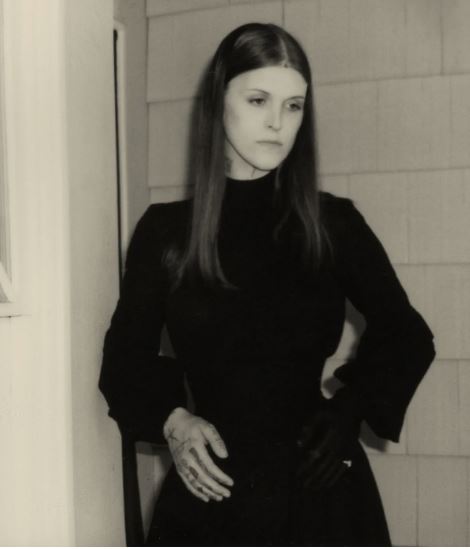
Ethel Cain modeling for VOGUE Magazine.
This realization started shaping the way I approached my photography.
Rather than trying to make every image feel perfectly polished, I became more interested in letting moments breathe. Light, shadow, and atmosphere became just as important as the subjects themselves. A photograph could feel intimate without needing to be loud. A scene could carry emotion simply through composition and tone. Not every crop had to be centered. Not every pose had to be a ‘smile into the camera!’.
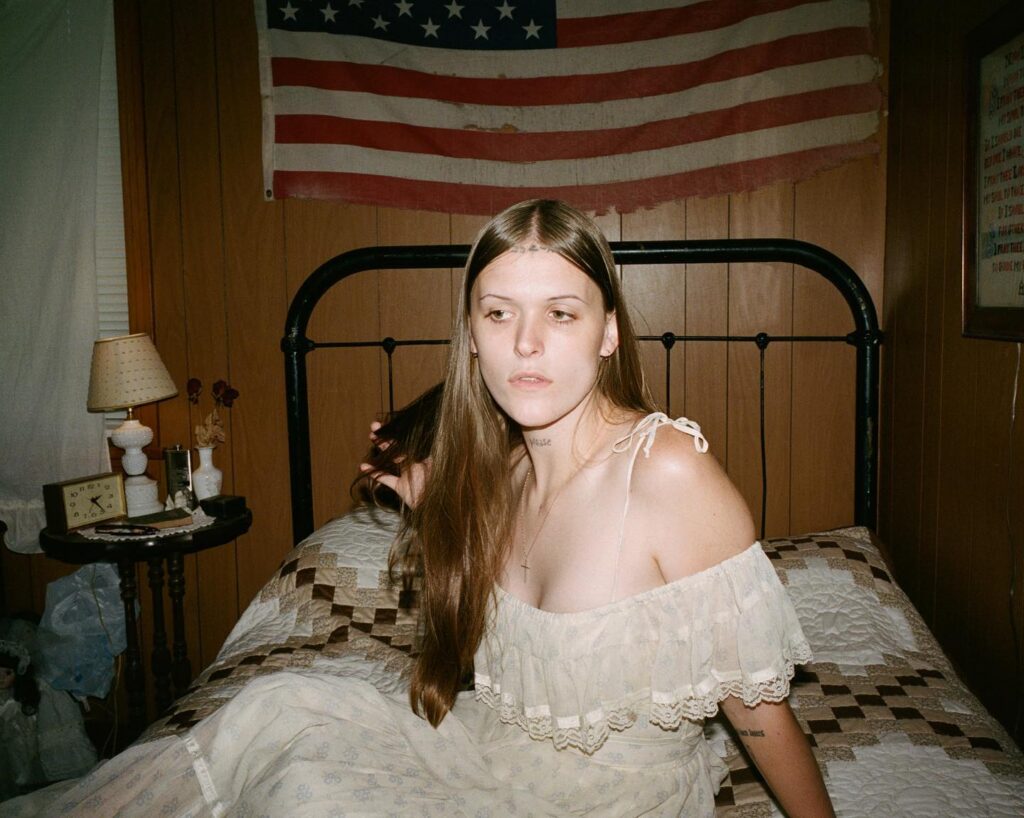
Ethel Cain ‘candid’ of her sitting on her bed with a vintage Polaroid camera.
After photographing my little sister’s wedding in August 2025, I scanned the gallery. Only a few photos spoke to me in a way that others did not. I realized these photos were ‘felt’ more than the others. (One of which is the cover photo for this blog!) They held an intimacy not present in the other work. I thought they looked not only technically creative, but timeless. After consulting some of my wedding-niche friends specifically, I learned I was naturally leaning heavily into the Fine Art style. What was this? “Fine Art? Ooh… that sounds fancy. WHAT is it, though?” I began researching and looking online. Thus, began my slow dissent (upward climb?) to mastering the art of Fine Art-Documentary photography. I purchased Jose Villa’s book (“Fine Art Wedding Photography: How to Capture Images with Style for the Modern Bride”) to fully grasp what I was getting myself into. I studied and studied his work (and still do!) for inspiration, ideas, technical feats I had not thought of, and making sure to, above all else, instill the ‘eye’ it takes for this niche.
Weddings are often photographed as a sequence of events, but to me they feel more like a collection of emotional fragments. A wedding day moves quickly, but within that movement there are small, deeply human moments that are easy to overlook if you’re only focusing on the traditional checklist of images. The quiet anticipation before a ceremony begins, a look exchanged between partners when no one else notices, the way a room shifts emotionally during a speech. These are the moments I find myself drawn to. (NOTE: One must certainly keep a checklist of images. My point is to look beyond this list.)
My style has slowly grown into a blend of documentary observation and fine art composition, with a subtle editorial influence that allows the images to feel cinematic without losing their honesty. I want photographs to feel like memories rather than performances.
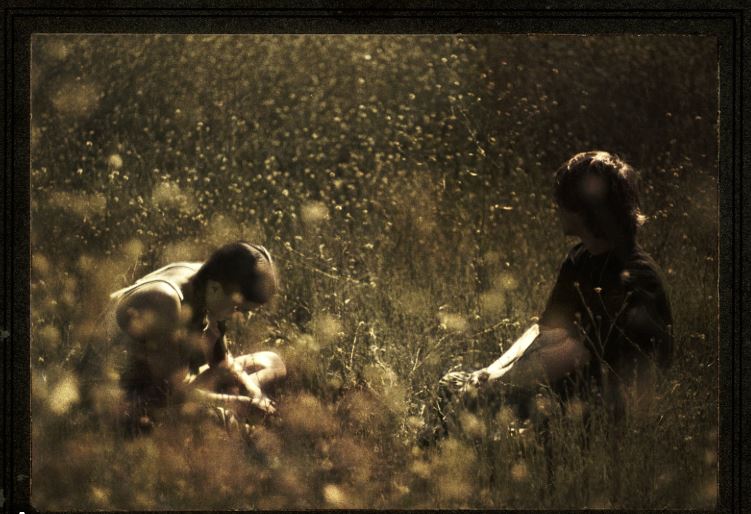
A visual representation of Ethel Cain & her crush, Willoughby Tucker.
Influence is a natural part of any creative process. The artists, music, films, and imagery we absorb inevitably shape the way we see the world. For me, the atmosphere and storytelling present in the visual world of Ethel Cain helped clarify something I had already been chasing instinctively. It gave language to a feeling I already recognized.
At the end of the day, my goal isn’t to recreate someone else’s visual style or narrative. Instead, that influence helped refine the direction my work was already moving toward. Photographing moments that prioritize atmosphere, emotion, and the quiet beauty that exist within real experiences.
Photography, at its best, doesn’t just show what something looked like. It reminds you how it felt.
Thank you, and I hope this blog has helped you to better understand my world, and my style.
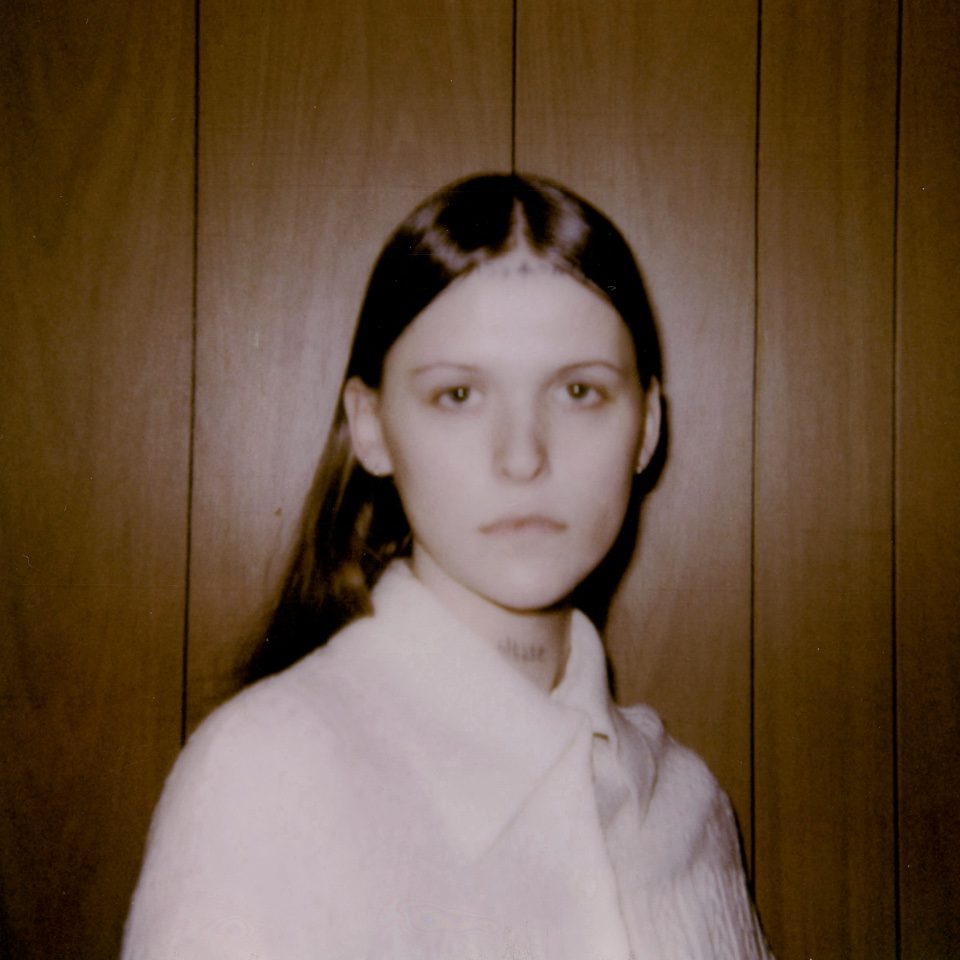
Ethel Cain staring into a Polaroid Camera. ‘Vintage’ is a heavy aesthetic in her world.


Be the first to comment